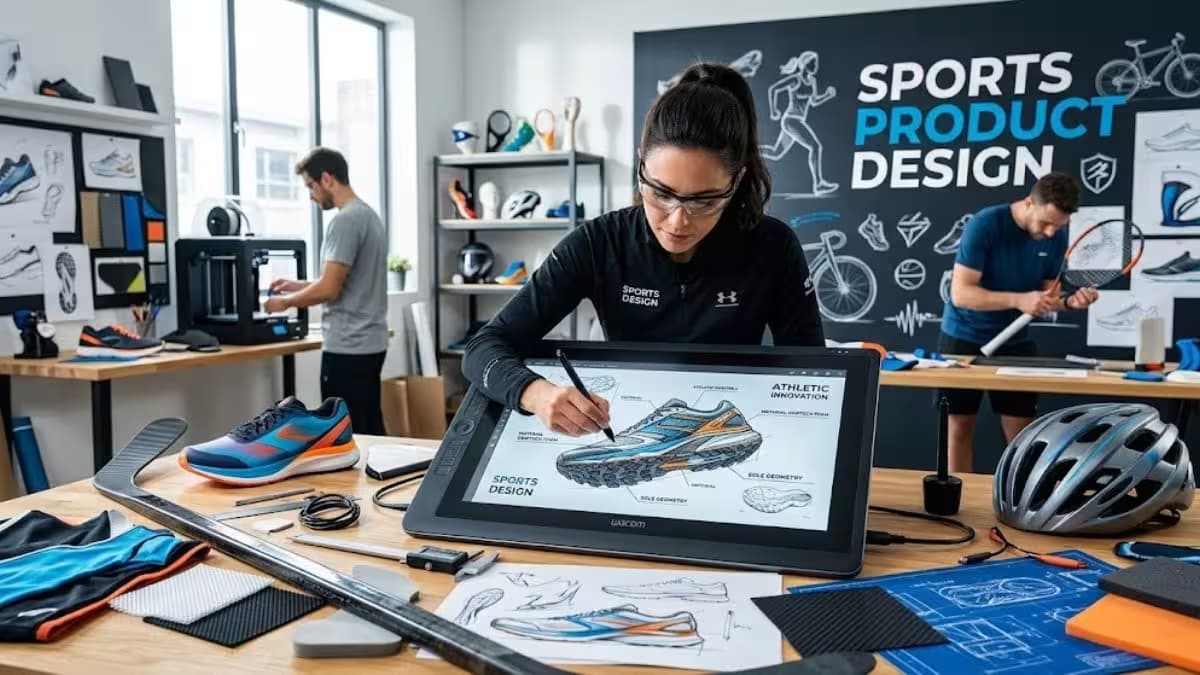
Sports Product Design: Building Better Products For Athletes
Sports Product Design: Building Better Products For Athletes
The creation of a high-quality sports item is more than just an appealing look. It doesn't matter if it's fitness equipment such as protective gear or training equipment, wearable technology, or even outdoor equipment, the item has to be reliable in actual circumstances. Designing a sports product incorporates engineering, creative design, user experience prototyping, as well as manufacturing experience to convert an idea into an operational product.
The process of development usually starts by analyzing the needs of the users who will be using the product. Designers need to think about comfort, mobility, and durability, as well as safety, the weight of materials, and function before advancing to manufacturing. The systematic development method allows businesses to test their concepts and refine designs prior to investing in a large manufacturing project.
Understanding the Athlete and the Product
Each successful sports product must start with a clear goal. The initial question should not be only, "What should this product look like? However, the design team has to know what issue this product will help solve.
A trainer's accessory could be required to increase grip or user-friendliness. Equipment for protection may need to be more durable in terms of performance and comfort. The fitness equipment might need to be light while still robust enough to withstand repeated use.
When it comes to designing sports equipment, user research, as well as actual requirements, guides choices. The way athletes sit and wear, use, and interact with their equipment may hinder designers from designing products solely based on the visual aspects.
Turning an Initial Idea Into a Product Concept
After the needs are identified, the concept design phase starts. Designers can employ sketches, research, digital renders, and even early models to investigate various possibilities.
A variety of designs are available to compare before deciding on the direction to pursue for further design. The team must consider how the device will be utilized and the conditions that it may be exposed to.
The most important considerations are the following:
- Does the item feel suitable to hold and wear?
- Is its form in line with the natural motion of your body?
- Does it have to endure impact and pressure or continue to experience usage?
- Do you think the design should be light?
- Does the product have the potential to be made promptly?
The answers to these questions can help build a solid foundation to build upon in the future steps of growth.
Using CAD for Accurate Product Development
When you've decided on a theme, sports product design is able to move on to the development of CAD in detail. Computer-aided design allows designers to develop precise three-dimensional models of the item as well as control its size, elements, functions, and dimensions.
The CAD models allow you to look over assemblies prior to creating physical components. Designers are able to examine how parts connect, determine the possibility of issues, and adjust using a computer.
The 3D model is also an essential element to prototype and manufacturing. Current workflows in product development employ CAD for connecting the development of concepts to the engineering process, simulation, as well as fabrication.
Why Prototyping Is an Important Stage
The product may look good on the computer, but be different when it is used physically. That's why prototyping is essential.
A prototype allows the team to examine, hold, and evaluate the design on the ground. According to the specifications of the project, a prototype can be designed to evaluate design, dimensions, as well as ergonomics, motion, or even function.
3D printing could make the process faster since CAD models that have been revised can transform into new physical models without needing the purchase of expensive production equipment.
By using the design of sports products, teams are able to design different versions of their product, and then improve it according to the test results.
Testing for Performance and Comfort
- Products for sports often work under extreme circumstances. The product could be subject to repeated motion, impact, or pressure, sweat, outdoor exposure, or even heavy usage.
- Tests help determine if the product is appropriate for the conditions. Based on the design development process, it will look at fit, strength and grip, as well as the ability to move, stability, and the ease of use.
- Comfort is just as crucial. A product that is technically sound might not work if athletes are uncomfortable or find it hard to operate.
- The feedback of real-life users could be valuable and can necessarily be discovered using CAD models alone. The results of testing should be utilized to enhance the design prior to production begins. manufacturing.
Choosing Suitable Materials
Materials selection has a significant impact on the performance of the product for sports. Materials can have an impact on their weight, strength, the ability to flex, durability, finishing, as well as the cost of production.
An accessory for training that is lightweight could require a different kind of product made from protective equipment specifically that is designed to manage impact. In the same way, flexible equipment could require different material characteristics from structural components that are rigid.
When it comes to the design of sports products, the material selection must be made based on the purpose of the item. Development teams may utilize different materials for prototyping and manufacturing.
The right choice of material will aid in balancing performance and production needs.
Preparing The Design For Manufacturing
After the testing and refinement phase, the product must be made ready for production. The next step is to determine if the product can be made effectively at the scale required.
Certain features that are effective on a prototype might require modification to make them suitable for production. Engineers could adjust the thickness of walls or simplify assembly, alter the geometry of parts, or eliminate the amount of material that is needed.
Manufacturing methods could include 3D printing, CNC cutting, molding, or any other methods based on the item and the quantity required.
Thinking about manufacturing needs early in designing sports equipment could help to avoid the time required to design and also cost-effective revisions afterward.
Frequently Asked Questions
What exactly is sports product design? Designing sports products is the method creating products for sports by mixing user demands with engineering, design, prototyping, testing, and manufacturing preparation.
What is the importance of prototyping for the development of sports equipment? Prototypes permit engineers and designers to test the product physically prior to its full manufacture. They help to identify issues regarding fit, comfort, sizes, movements, as well as functionality.
Is 3D printing a viable option in the development of sports products? Yes. 3D printing could be helpful in creating prototypes, testing various designs, and creating updated models rapidly in the process of development.
What are the most important aspects to consider in the design of sports equipment? It is important to consider the needs of the customer, safety and comfort, performance, durability of the material, its weight, selection, and requirements for manufacturing.
What is the average number of prototypes needed? The quantity is contingent on the level of complexity of the item. Simple products might require only a couple of prototypes, but more complicated equipment may need multiple testing and improvements.
Final Thoughts
Designing a sports product can transform a concept into a product that is evaluated, refined, and prepared for application. It involves analyzing the athletes' needs, generating ideas and concepts, developing CAD models, creating prototypes, evaluating performance, choosing materials, as well as preparing the model to be manufactured.
When they take the time to evaluate and improve the design before launching it into production, firms can make better decisions regarding development and develop sports equipment that's practical, comfy, sturdy, long-lasting, and suitable to be used by its intended customers.
Need help applying this to your product?
Discuss Your Project